
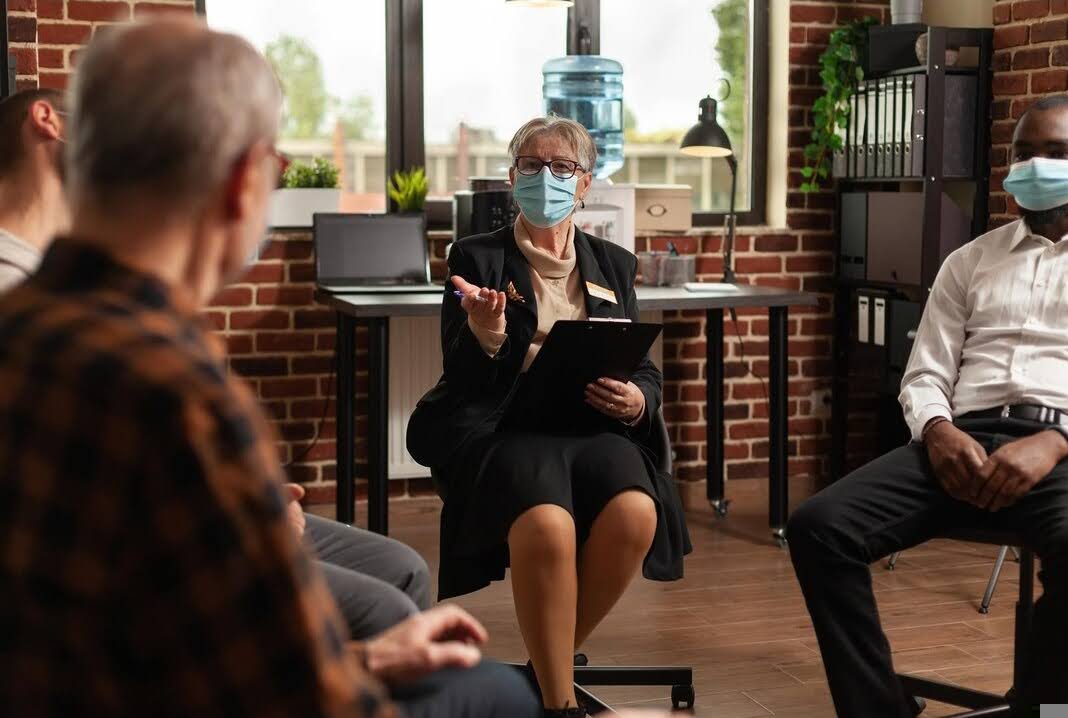
Rehabilitation centers play an important role in restoring stability, health, and independence for individuals and families facing physical, psychological, and behavioral challenges. These facilities are structured environments where evidence-based care offers compassionate support.
Rather than focusing on a single condition, modern rehabilitation centers address a wide range of needs through coordinated services and personalized programs. Their impact is beyond treatment by helping people rebuild confidence, improve daily functioning, and reintegrate into society with dignity. Read on!
1. Supporting ADHD Early Diagnosis
One of the most important roles of rehabilitation centers is identifying developmental and behavioral conditions at an early stage. Children often face difficulties when learning, attention, or behavioral differences go unnoticed.
A structured clinical environment allows trained professionals to observe, evaluate, and interpret behaviors using standardized tools and professional judgment. Early adhd assessment for children helps families understand a child’s strengths and challenges without confusion.
Rehabilitation centers provide a calm and controlled setting where evaluations are conducted carefully and ethically. Clinicians collaborate with caregivers and educators to form a clear picture of a child’s cognitive, emotional, and social development.
2. Recovery Through Substance Abuse Therapy
Another major responsibility of rehabilitation centers is addressing dependency and addiction through structured care. Substance-related challenges affect physical health, mental clarity, relationships, and economic stability.
Rehabilitation facilities offer substance abuse therapy where individuals can step away from triggers and focus entirely on recovery. Therapeutic programs are designed to restore balance by addressing both the physical and psychological aspects of dependency.
Medical supervision, counseling, and behavioral support work together to help individuals regain control over their lives. Rehabilitation centers emphasize consistency, accountability, and personal responsibility, which are essential for long-term stability.
3. Restoring Mental and Emotional Balance
Rehabilitation centers play a central role in managing mental and emotional health challenges that interfere with daily living. Conditions such as anxiety, depression, trauma-related stress, and mood disorders require structured support delivered by qualified professionals.
These facilities provide therapeutic environments where individuals can process emotions and develop healthier thought patterns. Through counseling and evidence-based therapeutic approaches, rehabilitation centers help individuals understand emotional responses and manage stress effectively.
The goal is not only symptom relief but also emotional stability that supports long-term well-being. By fostering self-awareness and emotional regulation, rehabilitation centers help individuals regain confidence.
4. Rebuilding Strength and Functional Independence
Physical rehabilitation is a foundational role of many centers, particularly for individuals recovering from injury, surgery, or chronic conditions. Loss of mobility or strength can significantly impact independence and quality of life.
Rehabilitation centers provide structured programs designed to restore physical function safely and progressively. Licensed professionals guide individuals through targeted exercises and therapies that improve coordination, endurance, and flexibility.
The controlled environment ensures that recovery is efficient and aligned with medical recommendations. This role extends beyond physical improvement by empowering individuals to regain independence in daily activities.
5. Encouraging Social Reintegration
Beyond clinical treatment, rehabilitation centers serve as bridges between recovery and everyday life. Social reintegration is an important role that focuses on preparing individuals to return to their families, workplaces, and communities with confidence.
Structured routines, peer interaction, and skill development help individuals adapt to social expectations and responsibilities. Rehabilitation centers emphasize life skills, communication, and healthy routines that support long-term wellness.